When the phone rings at twelve o'clock at night and a liked one asks for assistance leaving prison, feelings run in advance of reasoning. The next morning, you might locate yourself resting throughout from a bondsman, pen poised over a pile of kinds, about to co-sign a bail bond. It feels like the appropriate thing to do. It often is, however it is likewise a monetary and legal commitment that should have a clear head. I have sat in those workplaces with households, strolled them through the numbers, and seen just how small misunderstandings snowball right into pricey problems. If you are thinking about co-signing, you need to comprehend exactly what you are promising, what can go wrong, and how to shield yourself without abandoning somebody who needs you.
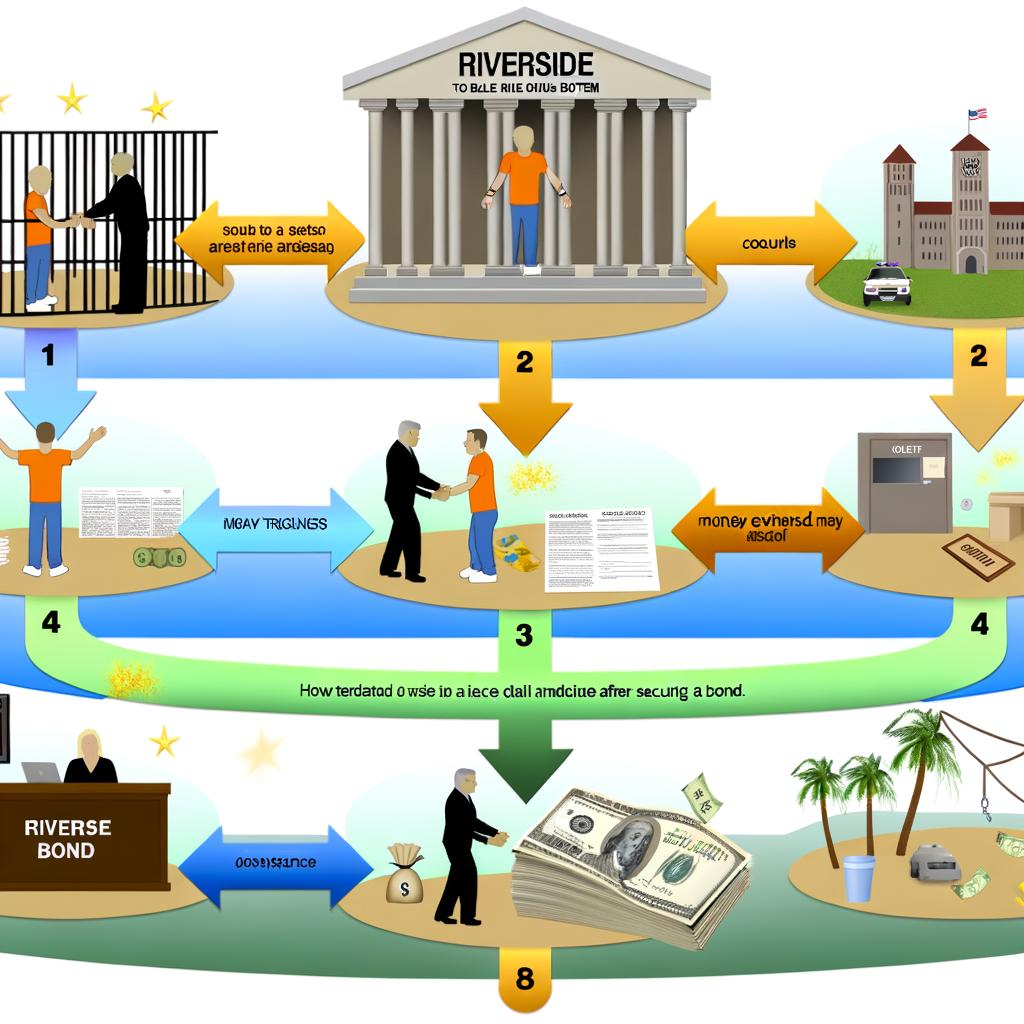
What a Bail Bond Truly Is
Bail is not a penalty or a cost. It is a conditional launch. The court establishes a buck amount that would be waived if the defendant fails to appear for needed hearings. For common felonies in numerous territories, bail frequently varies from 10,000 to 100,000 dollars. If a family members has that quantity in cash money, they can publish it straight with the court and get it back at the end of the case, less administrative costs, as long as the defendant looks like called for. Most people do not have that kind of cash handy, so they transform to Bail Bonds.
A bail bond is a guarantee to the court offered by an accredited bail agent, often backed by a surety business. The bail agent promises the complete bail quantity if the defendant stops working to appear. In exchange, the bond firm charges a costs, normally a portion of the bail, and requires one or more co-signers to guarantee the bond. The costs differs by state and firm, yet common rates fall in between 7 percent and 10 percent of the bond amount. On a 50,000 dollar bail, expect a premium of 3,500 to 5,000 dollars. That costs is the expense of the service. It is generally nonrefundable, also if the case is disregarded quickly.
Co-signers, also called indemnitors, agree to reimburse the bond firm for losses and expenses if the defendant does not meet the bond conditions. That is the heart of your duty when you sign.
The Co-Signer's Function, In Ordinary Terms
Co-signing is not a symbolic show of support. It produces an agreement between you and the bond business. Most indemnity agreements run several pages and resemble boilerplate, yet their repercussions are actual. When you co-sign, you pledge to do three things.
First, you ensure the offender appears in court. No one can literally drag a grown-up to court without court authority, however the sensible meaning is you assure to keep tabs on them, keep call info existing, and encourage compliance with the court's orders.
Second, you accept pay the bond costs and certain costs. Occasionally the premium is paid up front in full. Often bond firms allow layaway plan. If the plan calls for once a week or regular monthly installments, the co-signer typically ends up being responsible for those settlements if the offender quits paying.
Third, you agree to repay the company for costs if the defendant fails to show up and the court surrenders the bond. These prices can include the full bail amount if it is ultimately paid, court fees, and the company's costs in locating and giving up the accused. Numerous contracts also allow recuperation of sensible lawyer's charges and collection costs.

The easy way to think of it: you are the backstop. If something fails, the expense concerns you.
How Failing to Appear Modifications Everything
Most individuals that miss court do not run to one more state with a fake key. They sleep in, worry, or misunderstand the date. Judges understand this, and many jurisdictions offer a short home https://abbabailbonds.com/bail-bonds-los-angeles/ window, in some cases 30 to 180 days, to repair the problem and allot a loss. That window issues due to the fact that it identifies whether the bond business must pay the complete bond to the court.
Here is exactly how it typically plays out. The offender misses out on a hearing. The court problems a bench warrant and orders the bond waived. The clock starts. If the offender go back to court within the legal period, the court can leave the loss, and the bond stays in location. If the defendant can not be found, the bond company has a solid reward to locate them. That is when recuperation agents, typically called bond enforcement agents, become entailed. They work legally of the state to apprehend the accused and surrender them to the court. Their charges and travel expenses are taken into consideration recoverable expenses under the majority of indemnity agreements.
If the due date passes and the court's forfeiture comes to be last, the bond firm must pay the complete bond. Then, the company seeks to the co-signers to reimburse the loss. If you own a home or various other attachable assets and you do not pay willingly, the company can file a claim against, get a judgment, and pursue collection steps such as liens and financial institution levies. The quantities are not theoretical. If you co-signed a 50,000 buck bond and the offender went away, you could deal with a demand for the entire amount plus fees.
Collateral: What You Placed on the Line
Bond companies take care of threat differently. Some approve only the co-signer's promise, others request for collateral. Collateral can be money, a vehicle title, precious jewelry, or an act of trust fund on real estate. If collateral is uploaded, the contract must specify how it is held and when it is released.
With money security, respectable business put the funds in a trust account and offer a receipt. After the situation is over and the bond is vindicated, the security is returned, minus any type of concurred deductions. With property collateral, a lien is videotaped. The firm can not market your residence outright, however it can seize on the lien if you back-pedal your indemnity responsibility. Cars used as collateral may include holding the title or, in some cases, mounting a general practitioner device with your consent.
Always ask to see the collateral terms in writing, and demand a written timeline and conditions for release. If you are told the collateral is "just a procedure," keep asking up until you have a clear, outdated plan for obtaining it back.
The Premium: What You Pay and What You Don't Get Back
The premium is the cost of the bond. It makes up the bond firm for its danger and service. In the majority of states, the costs is nonrefundable. Even if the situation ends at arraignment with a termination, or if the prosecutor decreases to file costs after release, you do not obtain the premium back. That is not a fine, it is the cost of securing flexibility while the situation is pending.
Some companies offer discount rates for armed forces service, union membership, or working with an exclusive attorney, where permitted by law. Ask, however watch out for offers that sound as well great to be real. Rates are often managed. A deeply affordable costs might be coupled with hostile charges elsewhere in the contract.
Fees beyond the costs differ. You might see charges for posting the bond at strange hours, taking a trip to a distant jail, or digital tracking if needed by the court. Review each fee line. Ask what triggers it and whether it is covered. A 150 buck publishing charge is regular in numerous markets. A flexible "healing" charge without any requirements is a red flag.
Your Right to Say No, Also After You Say Yes
One false impression flounder many well-meaning co-signers: they believe that once they authorize, their only option is to wish for the very best. Actually, you generally maintain a minimal ability to revoke your indemnity if the defendant breaks problems or you believe they are a flight risk. This is not a decision to ignore, but it is a security valve.
If you realise that the accused is utilizing drugs against a court order, avoiding call, or talking about avoiding court, you can call the bond company and demand that the bond be given up. The business can prepare to take the defendant back right into safekeeping and relieve you of ongoing liability. Timing matters. If a loss has currently occurred, withdrawing after the truth will not shield you from the existing loss, though it can minimize more risk. Document your worries in composing. Ask the firm to verify when your obligation will certainly finish and when any type of collateral will certainly be released.
The human side is hard. Pulling a bond on a pal or kid feels like betrayal. What I tell households is this: you are not penalizing them. You are protecting both of you from worse effects. It is simpler to fix a connection than to recover from a 50,000 dollar judgment.
Practical Due Persistance Before You Sign
Not all bond agents are alike. The trusted ones run tidy procedures, clarify everything, and maintain their word. The outliers reduced corners or hide important terms in explanations. You do not need to become a legal representative overnight, however you do require to slow the procedure enough time to examine a few essentials.
- Verify state licensure and the bond representative's appointment with a guaranty company. Many state insurance divisions have a searchable online database. Ask for a full duplicate of every paper you authorize, including the indemnity contract and security invoice, prior to you leave the office. Clarify the premium amount, any type of installment plan, complete money fees if applicable, and each added charge with a written schedule. Confirm what triggers your liability, what prices are recoverable, and exactly how and when collateral will be returned after exoneration. Get the representative's 24-hour contact number and a clear procedure for reporting problems or problems about the accused's compliance.
That five-minute list can save weeks of frustration later.
What Courts Anticipate from Defendants, And How You Can Help
The ideal means to protect yourself as a co-signer is to assist the offender prosper on release. Courts generally impose typical conditions: show up at all hearings, do not dedicate brand-new offenses, notify the court and guidance of address modifications, and comply with any specific orders such as medication testing, no-contact directives, or travel limits. Failing on any of these fronts takes the chance of a warrant and forfeiture.
Create a sensible plan. Beginning by collecting the next court date, time, and area. Lots of missed out on appearances occur due to the fact that the routine changes and no one notices. Urge the offender to register in message or e-mail reminders from the court or their lawyer. If they work per hour shifts, aid them organize time off for court days beforehand. If transportation is unstable, drive them on your own or schedule an adventure the day in the past. These details sound fundamental, however they matter more than demanding lectures regarding responsibility.
For much more intricate instances, such as those entailing substance usage or mental wellness problems, attach services early. Judges and prosecutors often look much more favorably on defendants that proactively sign up in therapy, counseling, or instance monitoring. That is not ensured compassion, yet it is a course to security that minimizes your risk.
Payment Strategies and Credit rating: The Hidden Parts of the Contract
When a bond business provides installations, the small print controls. Some plans consist of rate of interest, late fees, or velocity provisions that make the entire balance due after a solitary missed out on payment. If you are on the hook for the defendant's payments, those terms are your terms too.
Ask 3 inquiries prior to you accept a plan. What is the overall cost in time, including charges and rate of interest, shared in bucks? What occurs if a settlement is late, and is there a moratorium? When does my liability end, particularly if the case ends before the payment plan does? If the costs is funded over twelve month yet the instance ends in 3, do you still owe the remaining installments, or does the plan accelerate? In several agreements, the costs is due no matter instance size, yet a couple of companies are versatile. Get any kind of lodging in writing.
Some companies run credit rating look at co-signers. A soft query will certainly not impact your credit report. A hard query might. Clarify which kind they plan to run and whether they will certainly report repayment history to credit history bureaus. The majority of do not, however ask anyway.
Special Situations: Out-of-State Defendants, Migration Holds, and Several Cases
Risk adjustments with context. If your nephew was detained while travelling through a state where he does not live, reconsider. Courts established problems based partially on ties to the community. Out-of-state defendants increase flight-risk concerns. Bond companies might call for stronger security and more stringent check-ins. You will additionally have less control over logistics, that makes your function harder.
If there is a migration hold, timelines change. Also if a bail bond is posted, a detainer from federal migration authorities can keep the defendant in custody. The premium is still owed due to the fact that the bond was issued. Good representatives will caution you regarding likely detention circumstances prior to you pay. Ask straight if any holds are visible in the prison system or if the charges commonly activate detainers.

Multiple pending cases complicate issues further. Each case can carry its very own bond, and problems can stack. Missing out on a court day in one instance can endanger bonds in the others. Coordinating with defense counsel becomes necessary. As a co-signer, you ought to get consent from the accused to speak to their lawyer concerning organizing and conditions. That maintains you out of the dark and reduces surprises.
The Lifecycle of a Bond, From Uploading to Exoneration
Understanding the stages removes guesswork. After you authorize and pay the costs, the representative messages the bond at the prison or courthouse. Launch can be quick or slow-moving, anywhere from one hour to 12 hours depending on the facility stockpile and time of day. The bond continues to be effectively until the court vindicates it. Exoneration generally happens when the case solves by plea, termination, or pardon, or when the court revokes bond and remands the defendant to safekeeping. An exoneration order finishes your liability prospectively, and any type of security ought to be returned quickly according to the contract.
Watch for a lag in between last hearing and formal exoneration. Dockets are hectic. If security has actually not returned within the assured duration, call the agent with the case number and the exoneration date. If necessary, you can get a licensed copy of the exoneration order from the staff and supply it to the bond firm to trigger release. Credible firms process security releases within 10 to one month after exoneration, relying on the type of collateral and interior procedures.
Working With a Bail bondsman Without Losing Your Balance
Bail representatives provide a real service. They address phone calls at 2 a.m., stand in lines at county jails, and browse the little rules that make a difference. The majority of are uncomplicated professionals. The relationship works best when expectations are clear.
Be candid about the offender's scenario. If you recognize they battle with dependency, claim so. If you recognize they missed out on court in the past, disclose it. The agent will either set stronger problems or decrease the bond. That honesty is a support to you, not an admission to be utilized against you.
Stick to one network of communication. Choose that in your family will talk to the representative and the lawyer. Blended messages produce problem. Keep notes of vital telephone calls: days, names, and decisions. It sounds tedious until you require to reference what was guaranteed a month earlier.
If a dispute occurs, rise comfortably. Request the supervisor or the guaranty company's call info. Many bond companies operate under the umbrella of a bigger insurance firm that looks after compliance with state guidelines. Regulators exist for a factor. You do not require to threaten any individual, however you can request accountability.
When Not to Co-Sign
There are circumstances where the compassionate choice is to go back. If the offender has a current pattern of missing court, if they are unhoused with no secure phone or address, or if they have actually voiced an intent to run, your danger is not academic. The bond company might still release the bond, however your liability would be massive if things go wrong.
Financial borders matter too. If posting security places your real estate in jeopardy, time out. Housing instability aids no one, consisting of the defendant. If you can not afford the premium without a payment plan that extends you slim, reconsider. Courts in some jurisdictions allow pretrial solutions, monitored release, or reconsideration of bail quantities. A defense attorney can file an activity to change bond based upon connections to the community, employment, or therapy engagement. It might take a couple of days longer, but the end result might minimize or remove the requirement for a business bond.
Alternatives to Business Bail Bonds
In current years, numerous courts have broadened choices past cash money bond and industrial bonds. These choices vary widely by area and state, yet it is worth asking the defense attorney regarding them.
Release on recognizance, typically called OR, involves release based on the offender's assurance to show up. It is common for lower-level fees and for offenders with steady ties. Monitored launch programs include check-ins, medicine screening, or digital surveillance. Some jurisdictions make use of risk assessment tools to guide decisions. Whether you concur with those tools or otherwise, they exist. If an OR or monitored launch is possible within a few days, it may be smarter to wait rather than thrill right into a bond that costs thousands and puts your assets at risk.
Another choice is a cash money deposit with the court, sometimes a percentage of the full bond, such as 10 percent. If allowed, this method can be less costly in the future due to the fact that you get most of it back at the end of the situation, minus fees. The tradeoff is locking up cash for months. If numerous member of the family can safely pool funds, a court down payment can be an affordable route.
A Brief, Real Example
A mommy called me after co-signing a 25,000 buck bond for her son on a theft fee. She paid a 2,000 dollar costs and set up her auto title as security. Her kid missed out on a hearing two weeks later. She did not know until the bond agent called. The representative arranged a brand-new court day within the cure duration, but her child stayed clear of telephone calls and text. She was frightened of losing her car because she needed it for work.
We talked via choices. She went to her boy's apartment with a buddy, told him she would revoke the bond if he did not litigate, and offered to drive him. He agreed. They went, the court quashed the warrant, and the bond remained in area. She set ground rules: weekly check-ins, sharing all court documents, and participating in hearings together. The situation solved with probation. Her security was released 3 weeks after exoneration.
The distinction in between calamity and a manageable scare was interaction and a concrete plan. She did not depend on hope. She acted early, utilized the representative as a companion, and set limits her son understood.
Your Choice Framework
Emotion belongs to this, but an organized technique helps. Ask on your own:
- Can I manage the premium and any payment plan without running the risk of lease, energies, or necessary bills? Do I rely on the accused to stay in touch and follow court orders, and am I happy to take energetic steps to support that? Do I understand the security terms and have them in writing, with clear launch conditions and timelines? If points go wrong, am I prepared to alert the bond firm quickly, and if essential, revoke the bond? Are there practical alternatives, such as a bail reduction activity or supervised launch, that we should try first?
If you can not address yes to most of these, press pause. A short hold-up to reassess can protect against months of financial strain.
Final Thoughts From the Ground Level
Co-signing a bail bond is an act of trust backed by a lawful pledge. Done thoughtfully, it helps somebody maintain their job, take care of children, and consult with an attorney while battling an instance. Done hastily, it can connect your funds to someone else's choices in ways that are difficult to unwind.
Take an hour to check out the contract. Ask the bondsman plain inquiries. Coordinate with the defense attorney. Make a prepare for transportation, tips, and conformity. Remain involved until the bond is pardoned and your collateral is back in your hands. That mix of concern and caution is not chilly. It is useful love, and it is just how family members make it through the criminal legal process without damaging themselves in the process.
ABBA Bail Bonds 900 Avila St STE 101 Los Angeles, CA 90012 (213) 296-0901 https://abbabailbonds.com